Understanding a country requires more than collecting facts. It demands connecting patterns across time, culture, and geography.
Our research methodology emerged from a simple observation: encyclopedic knowledge becomes meaningful only when context transforms data into understanding. A population statistic from 1890 tells one story. That same figure compared against migration patterns, industrial development, and cultural shifts tells another entirely.
We combine archival research with analytical frameworks that reveal how national characteristics evolved. This approach serves academics seeking primary sources, educators developing curriculum, and anyone pursuing deeper understanding of how nations develop their identity.
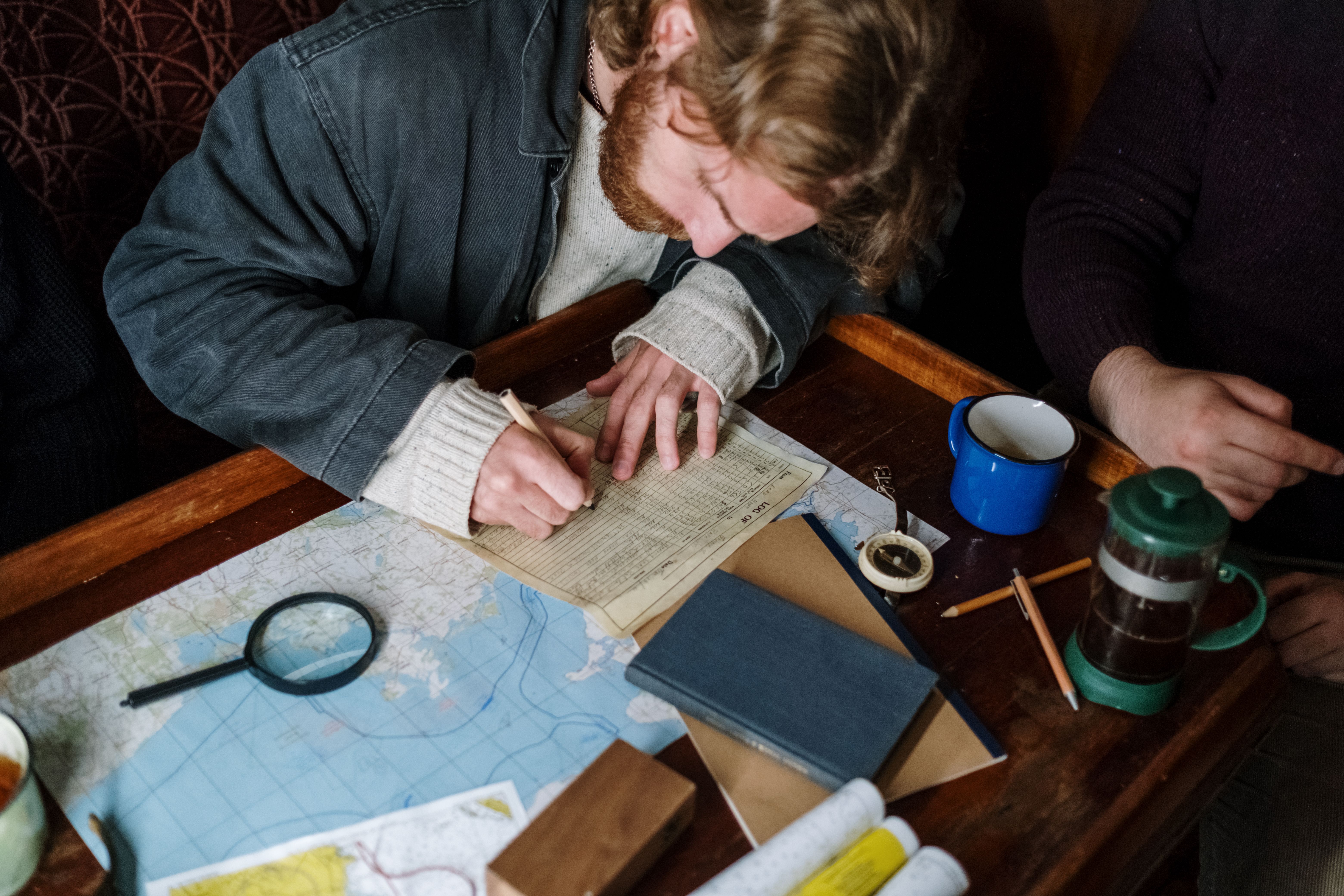
We specialize in tracing how political boundaries, demographic compositions, and economic structures shifted across centuries, creating the nations we recognize today.
From language evolution to artistic movements, we document the cultural forces that shape national identity and continue influencing contemporary society.
Understanding how geography influences development, from resource distribution to strategic positioning, reveals why nations evolved distinct characteristics.
Raw statistics gain meaning through context. We transform census records, economic data, and social metrics into comprehensible narratives.
Each project begins with understanding your specific research goals. Whether you need comprehensive regional history or focused analysis of particular cultural developments, we adapt our approach to match your requirements.
Our researchers access primary sources, cross-reference multiple archives, and apply analytical frameworks that reveal patterns invisible in isolated data points.
The result is documented research that provides both factual accuracy and interpretive insight, delivered in formats suited to your intended use.
Define research scope and objectives
Locate relevant archives and databases
Extract and interpret findings
Deliver comprehensive research reports
Explore our services or reach out to discuss your specific research needs.